About Marsabit National Park
Marsabit National Park safari guide
Marsabit National Park rises unexpectedly from the dry landscapes of northern Kenya. At its heart is Mount Marsabit, an extinct shield volcano whose higher slopes carry cool forest and crater lakes. The contrast between green mountain habitats and the surrounding arid country makes Marsabit one of Kenya's most distinctive remote safari destinations.
Elephants and buffalo are regularly associated with the forested crater lakes, especially later in the day when animals come to drink. Bushbuck, greater kudu, baboons and other forest wildlife may also be seen. On the drier lower slopes, the wider ecosystem supports northern Kenya species such as reticulated giraffe and Grevy's zebra, although wildlife viewing can be challenging because of dense vegetation and a limited road network.
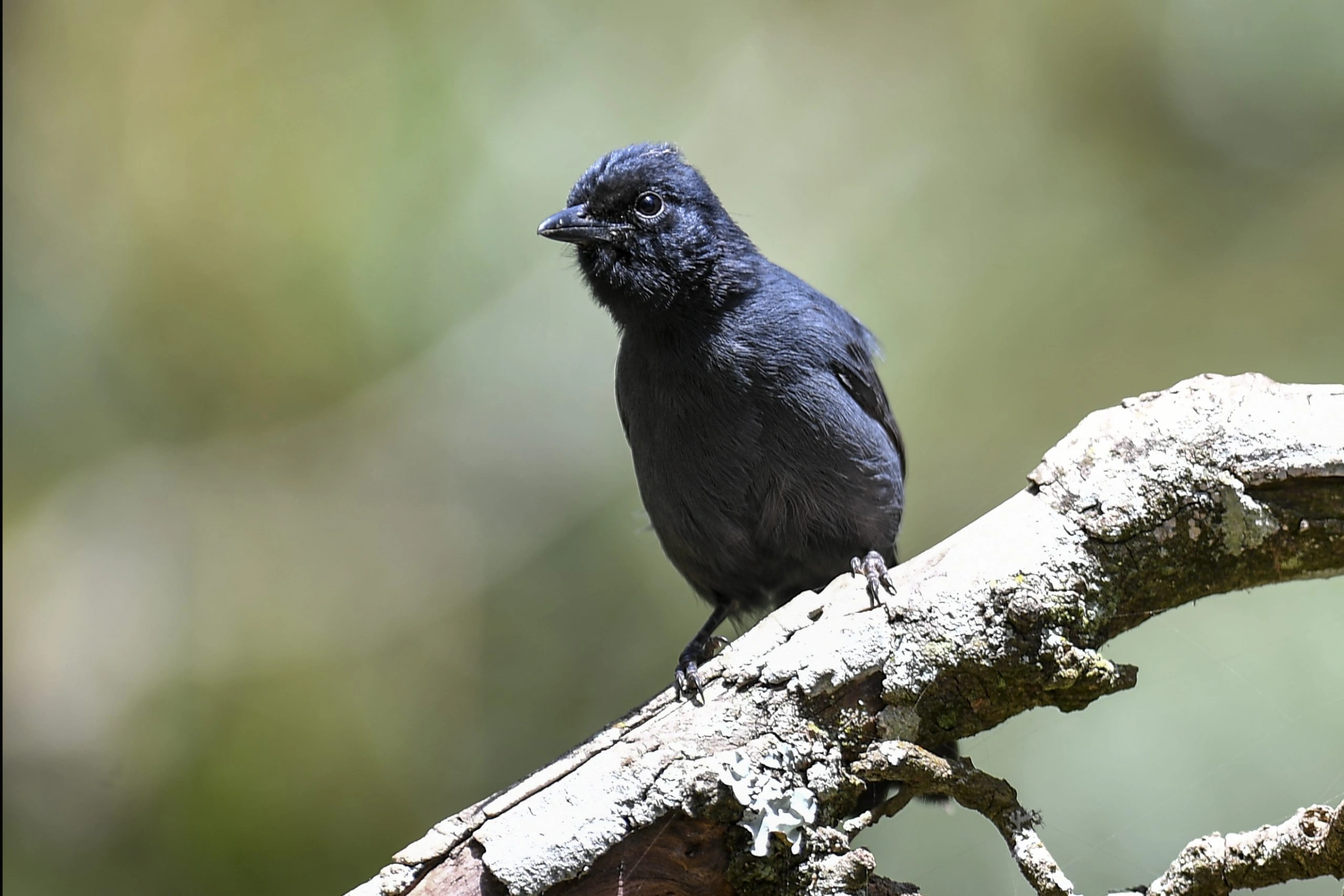
Lake Paradise and the other volcanic craters are major scenic attractions, and the park has a long conservation connection with large tusked elephants. Marsabit is also rewarding for birding and for travellers interested in remote northern Kenya rather than standard safari circuits. It works best as part of a carefully planned expedition with enough time for the long road journey and local conditions.
Planning your visit
June to September and January to February generally offer the most practical travel conditions. A high clearance four wheel drive vehicle is strongly recommended for exploring beyond the main access areas. For current park access, gate information and official visitor advice, use the Kenya Wildlife Service Marsabit National Park page.
Highlights
- Forested Mount Marsabit rising above the arid northern landscape
- Volcanic crater lakes including scenic Lake Paradise
- Elephants and buffalo frequently visiting forest water sources
- Northern Kenya birding and dry country wildlife on lower slopes
- Very low visitor numbers and a strong expedition atmosphere
- Ideal for experienced travellers seeking a remote 4x4 safari
Marsabit National Park map
Explore the location of Marsabit National Park and see how it fits into your Kenya safari journey.