
Kenya
Arawale National Reserve
A remote eastern Kenya reserve with major conservation importance for the critically endangered hirola and the restoration of its historic grassland habitat.
Explore Kenya wildlife reserves for safaris, compare habitats, seasons, access and activities, and plan how each reserve can fit into a practical safari route.
A remote eastern Kenya reserve with major conservation importance for the critically endangered hirola and the restoration of its historic grassland habitat.
A rugged reserve beside Meru National Park, protecting remote savannah, riverine forest and important wildlife dispersal habitat in eastern Kenya.
A remote coastal forest reserve in northeastern Kenya with dense vegetation, rare wildlife and high biodiversity, best approached as a specialist conservation destination.
A peaceful northern Kenya reserve opposite Samburu, with natural springs, dry country wildlife, elephants, excellent birding and scenic riverbank game viewing.
Kenya’s best known remnant tropical rainforest, with primates, rare forest birds, hundreds of butterfly species, rich plant life and rewarding guided walks.
Reserve
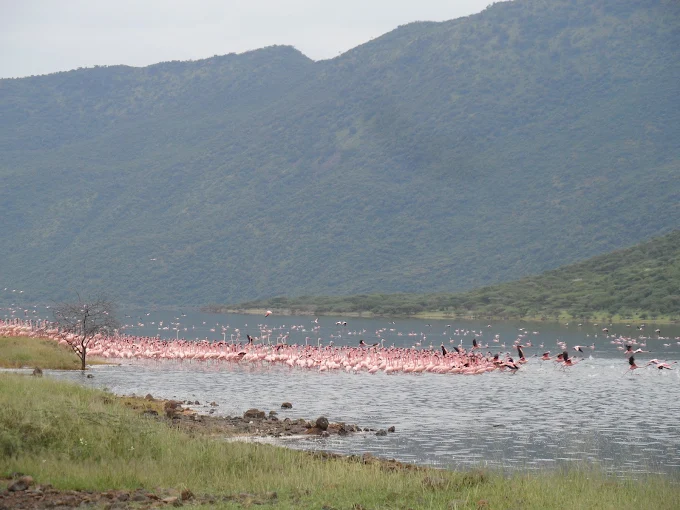
A spectacular Rift Valley soda lake reserve famous for large flamingo flocks, geothermal geysers, hot springs, greater kudu and dramatic volcanic scenery.
 Reserve
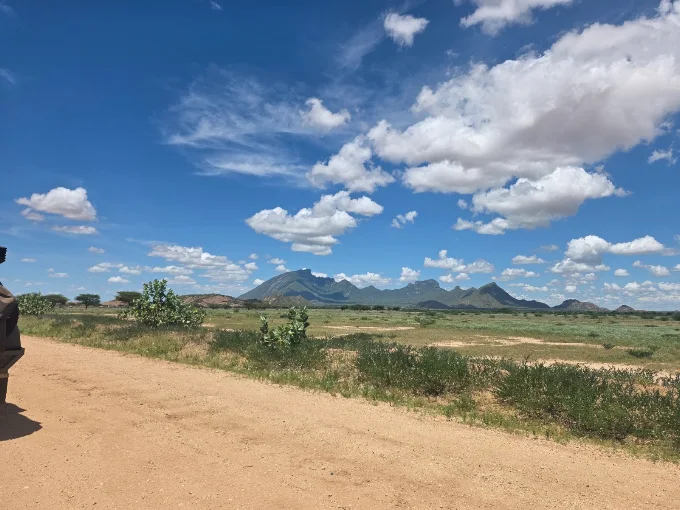
A vast northern reserve between Marsabit and Samburu, offering rugged semi arid scenery, dry country wildlife, birding and expedition style safari travel.
 Reserve
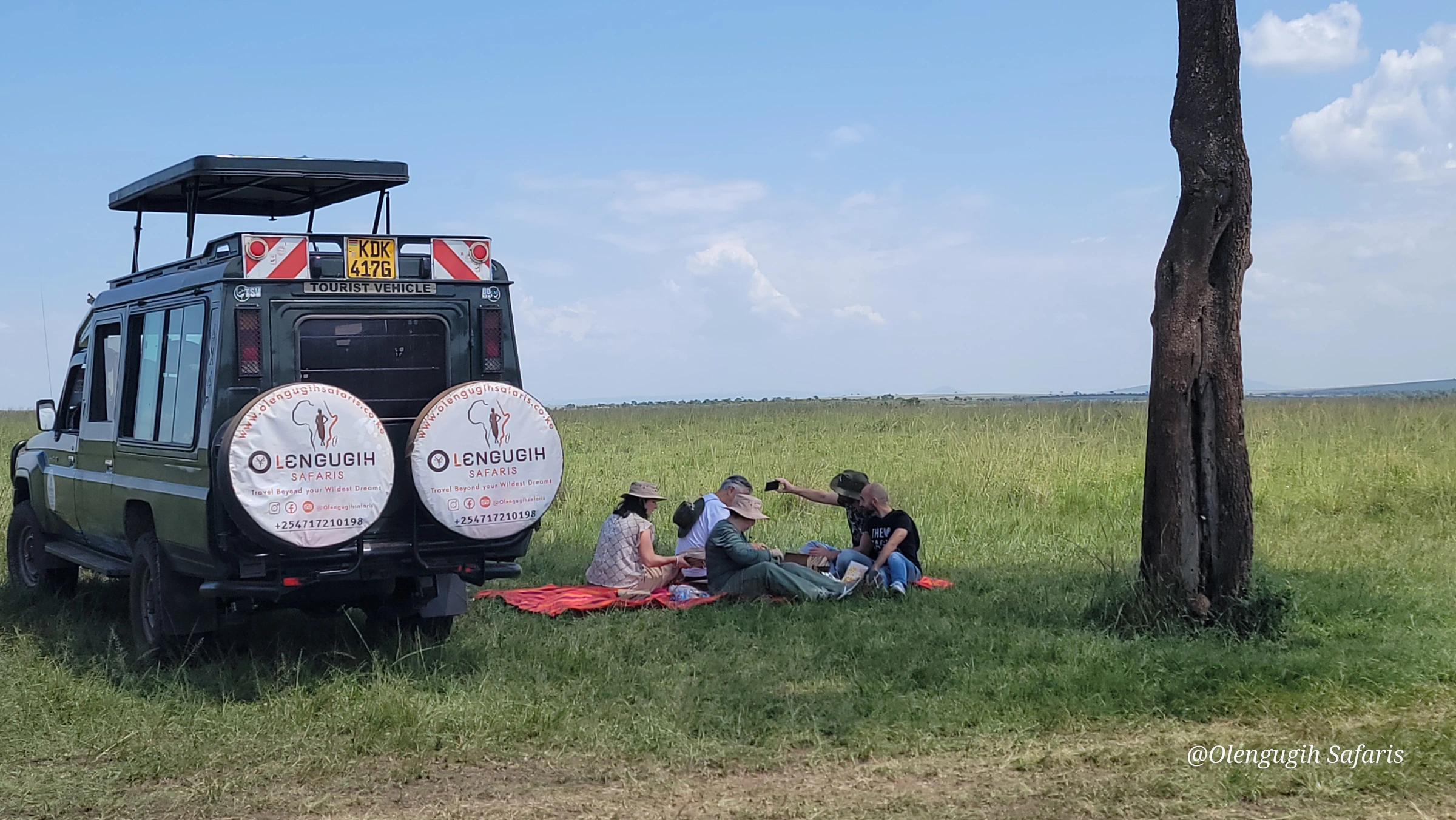
Kenya’s best known wildlife reserve, famous for Big Five sightings, big cats, the Great Migration, Mara River crossings, balloon safaris and broad open savannah.
 Reserve
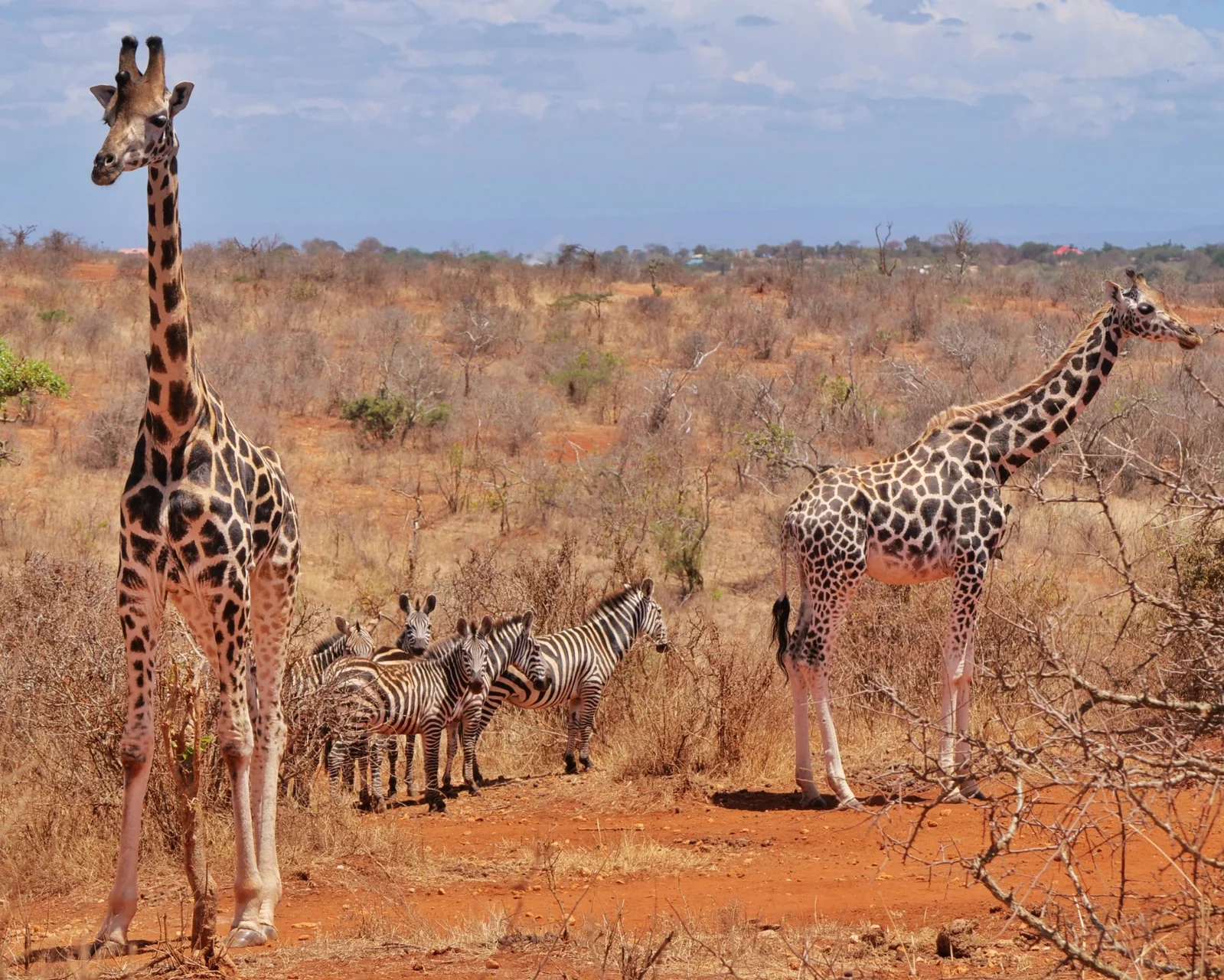
A quiet Embu reserve shaped by the Tana and Thiba rivers, Masinga and Kamburu waters, with elephants, hippos, crocodiles and excellent wetland birding.
A large, little visited reserve in Kitui County that links with Kora and the wider Meru conservation landscape, offering wildlife, birding and remote scenery.
A remote western Kenya reserve of cliffs, river valleys and rugged country, known for elephants, predators and an uncrowded wilderness atmosphere.
A northern Kenya reserve on the Ewaso Nyiro River, celebrated for elephants, big cats, rich birdlife and the Samburu Special Five of dry country wildlife.
A remote northern reserve of lava plains, springs, rocky hills and river habitat, known for rare northern wildlife, birding and connections to Joy Adamson’s conservation story.
A lush coastal reserve near Diani and Mombasa, combining forest, rolling green hills, elephants, sable antelope, waterfalls and rich birdlife.
A remote eastern Kenya reserve of seasonal rivers and untamed bush, offering giraffes, kudu, predators, camping, guided walks and true wilderness travel.
A little visited northern Kenya reserve with rugged dryland scenery, remote wildlife habitat and a strong sense of expedition for experienced safari travellers.
 Reserve
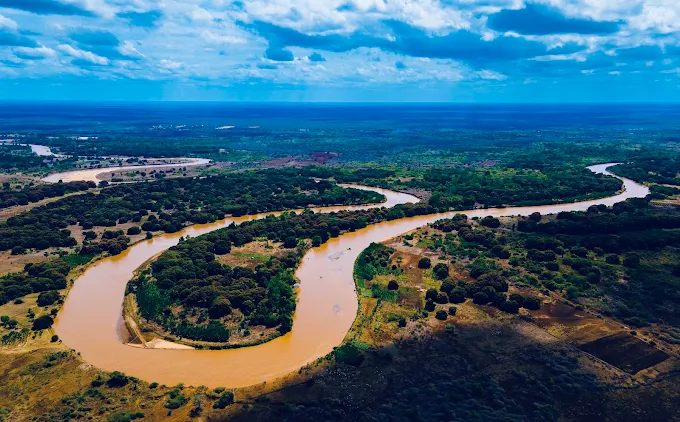
A lower Tana River reserve created to protect endangered primates and rare riverine forest, with red colobus, mangabeys, birds, hippos and crocodiles.
Try a different place, activity or destination type.
Kenya Wildlife Reserves are easier to plan when you compare the landscape, wildlife, access, season and type of experience rather than choosing a name in isolation. This Olengugih Safaris collection brings together published wildlife reserves in Kenya and gives you a practical starting point for deciding which places fit your route, travel dates and interests.
Wildlife reserves can range from famous safari landscapes to quieter protected areas. Access, habitat, road conditions and local management all influence the visitor experience. Each destination has its own travel rhythm. Some places work well as a short stop between larger safari areas, while others deserve several nights because of their size, road network or range of activities. Before adding a destination, check how long it takes to reach from the previous stop and how much useful time will remain after the transfer.
Use our wider East Africa destination library to compare other parks, reserves, conservancies and attractions. A route becomes more efficient when neighbouring places are combined logically. This can reduce unnecessary backtracking and leave more time for game drives, walks, conservation visits, cultural experiences or rest.
Wildlife viewing is naturally variable. Rainfall, water, vegetation, migration, breeding behaviour and human activity can all influence where animals are found. A destination guide should therefore explain habitat and likely experiences without promising a specific sighting. Good guiding remains important because local conditions can change from one day to the next.
Think about the activities that matter most to you. Classic vehicle game drives may be the priority in one place, while another destination may be stronger for walking, birding, primates, conservation learning, scenery or cultural interaction. Browse our safari experiences to compare interests that can help shape the route around what you actually want to do.
There is rarely one perfect month for every traveller. Drier periods can make roads easier and wildlife more concentrated around dependable water, while greener months may bring dramatic landscapes, young animals, strong birding and fewer visitors. Peak seasons can also affect accommodation availability and price. Your best travel window depends on the balance you want between wildlife conditions, weather, visitor numbers and budget.
Ask about local road conditions if you are travelling during or soon after heavy rain. In remote areas, transfer times can be longer than a map suggests. If your itinerary depends on a flight, boat, permit or scheduled activity, build enough time into the plan so that one delay does not affect the whole journey.
Where you stay can change the experience. A camp or lodge close to the area you want to explore may allow earlier starts and shorter transfers, while a property farther away may offer a different price or style of stay. Compare options in our hotels and lodges section and make sure the final quotation identifies the actual property or an agreed standard.
If you are planning a multi-day trip, review the published safari packages that include similar destinations. They can show common route combinations and realistic trip lengths. You do not need to copy a published itinerary exactly; it is often better to use it as a framework and adjust the pace around your flight times, interests and preferred accommodation.
Protected areas and visitor attractions have rules designed to protect wildlife, habitats and guests. Follow guide instructions, respect viewing distances, avoid littering and do not pressure a driver to leave approved tracks. In community or conservation landscapes, local rules may also govern night drives, walking, off-road access or visitor numbers. Responsible behaviour supports the long-term value of the destination.
Carry suitable clothing for changing temperatures, sun protection, drinking water and any personal medication you need. Binoculars improve wildlife and birding experiences even when you are not a specialist photographer. Travel insurance is also important because remote travel can involve medical, transport or cancellation costs that are not covered by a normal safari quotation.
Once you have compared the destinations in this collection, note the places that best match your interests and available time. Continue with our safari travel guide for broader planning advice, or send your preferred dates and route through the contact page. Olengugih Safaris can then check current availability and help turn the shortlist into a practical itinerary and quotation.
Choose the destinations that interest you and our travel team can help connect them into a practical route around your dates, travel style and preferred accommodation.