 Private
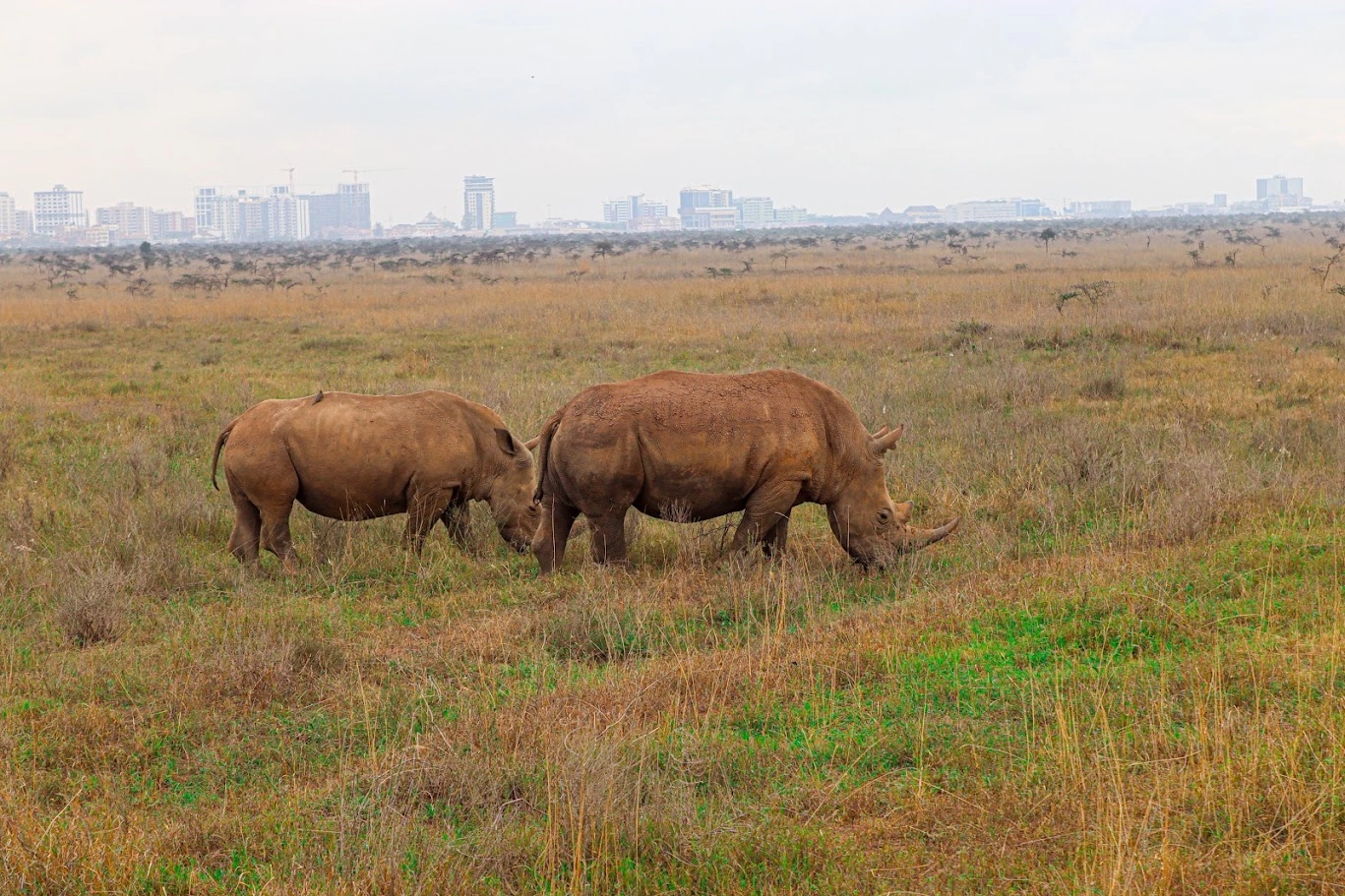
1 Day Nairobi Park, Sheldrick & Giraffe Centre Tour
A private Nairobi day tour combining an early national park game drive, the Sheldrick Nairobi Nursery and a close Rothschild giraffe experience at Giraffe Centre.
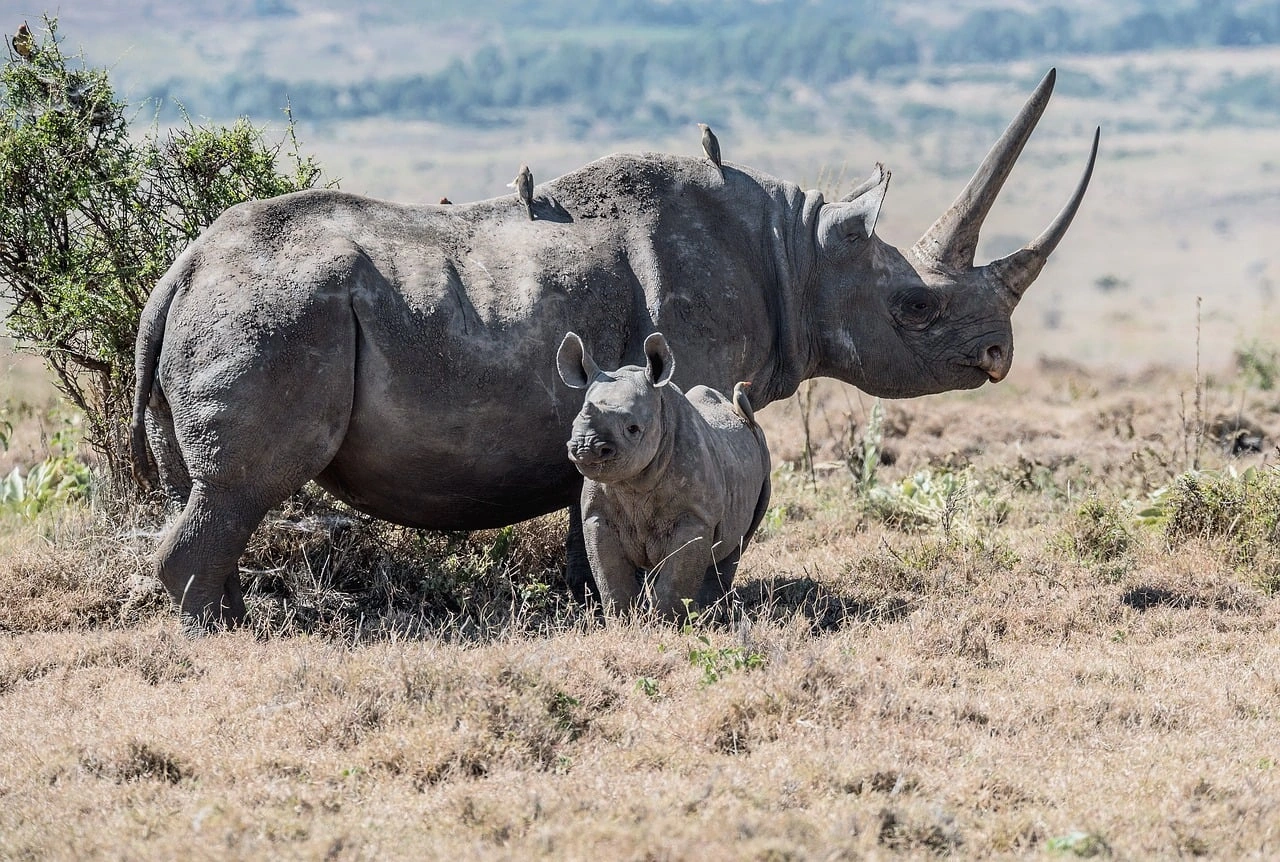
Purposeful safari journeys that connect wildlife viewing with rhino protection, community conservancies, habitat restoration, research and responsible tourism.
Conservation Based Safaris in Kenya can be shaped around the traveller rather than forced into one fixed itinerary. Purposeful safari journeys that connect wildlife viewing with rhino protection, community conservancies, habitat restoration, research and responsible tourism. Kenya works especially well because very different landscapes can be reached within one country, from highland forest and Rift Valley lakes to open savannah, private conservancies and the Indian Ocean coast. The purpose of this guide is to explain what the experience involves, where it works best, how to plan it well and how to travel responsibly.
Leading conservation experiences can be built around Ol Pejeta, Lewa, Amboseli area conservancies, Mara Naboisho, Ol Kinyei, Olare Motorogi, Borana, Sera, Nairobi conservation projects and the wider Tsavo landscape. Themes may include rhino monitoring, habitat restoration, ranger work, community tourism and wildlife rescue. We have reorganised that planning information for Olengugih Safaris in simpler language and around the way a traveller actually makes decisions: first the type of experience, then the right destinations, then realistic timing, transport, guiding and accommodation. The result is a flexible experience page rather than a fixed tour promise.
A conservation safari should explain what happens behind a wildlife sighting. Depending on the property, travellers may learn about rhino monitoring, predator research, ranger work, grazing plans, endangered species recovery or community land agreements. Some experiences are observational, while others may include a guided conservation activity under strict rules. The exact programme always depends on the destination, weather, wildlife conditions, local rules and the interests of the guests. A good guide should explain these variables rather than pretending every day will follow the same script.
We normally recommend discussing priorities before confirming a route. Some travellers want wildlife and photography, others prefer active adventure, culture, conservation learning, privacy or family friendly pacing. Once those priorities are clear, the experience can be matched with suitable published journeys from our Kenya safari packages. Travellers comparing several ideas can also browse our Kenya destination guides to understand how the landscapes differ.
Kenya has many possible locations, but the following areas are especially useful starting points for this style of travel. They are not the only choices, and a final itinerary should be based on season, access, available time and the experience you want most.
Rhino conservation, conservation learning activities and a broad big five wildlife experience. This stop can be used on its own or combined with other regions depending on the length, season and pace of the journey.
Long term rhino and grevy's zebra conservation supported by tourism and community programmes. This stop can be used on its own or combined with other regions depending on the length, season and pace of the journey.
A community land model that protects wildlife habitat while generating income for maasai landowners. This stop can be used on its own or combined with other regions depending on the length, season and pace of the journey.
Best time: Year round, with June to October and January to February especially convenient for wildlife viewing. This is a planning guide rather than a guarantee. Weather patterns vary from year to year and wildlife responds to rainfall, water and food. Green season travel can be excellent for scenery, birdlife and lower visitor numbers even when road conditions are less predictable.
Suggested duration: 3 to 8 Days. The right length depends on how far the route travels and whether this experience is the whole purpose of the trip or one part of a larger safari. It is usually better to spend enough time in a destination to enjoy it properly than to add many stops with long transfers between them.
Ask what conservation activity is genuinely available during your travel dates rather than assuming a behind the scenes programme can be guaranteed. Some rhino or ranger experiences require advance booking, have age limits or are restricted for security. Choose lodges that can explain how fees support conservation and local communities. Ask what is included before paying a deposit. Important details can include park or conservancy fees, activity fees, private or shared transport, guide type, meals, transfers, equipment, minimum age, fitness requirements and cancellation terms. If an activity is a major reason for travelling, confirm it specifically rather than assuming it is automatically included in a safari package.
For international guests, travel insurance should cover the activities included in the itinerary. Carry copies of important documents and advise the planner about medical, mobility or dietary needs early enough for suitable arrangements to be made. Kenya's temperatures change significantly between coast, highlands, early mornings and hot afternoons, so light layers are generally more practical than one heavy outfit.
Conservation minded travellers, families, students, wildlife lovers and repeat safari visitors. It can often be adapted for different budgets by changing transport style, accommodation category, trip length and how many private activities are included. A lower price should not mean unsafe guiding or rushed logistics. Equally, a higher price should add real value such as location, privacy, stronger guiding, better time use or a special activity rather than only decorative extras.
Families should always share children's ages because activity rules vary. Couples may value privacy and slower pacing. Photographers often need more time at sightings. Active travellers should be honest about fitness and previous experience. These details help us match the right safari instead of selling the same programme to everyone.
Avoid experiences that encourage touching, feeding or close interaction with wild animals unless the setting is a recognised rescue or rehabilitation programme with clear welfare standards. Responsible conservation tourism should prioritise wildlife needs, local decision making and transparent benefits. Kenya's parks, reserves and conservancies depend on functioning ecosystems and on relationships with neighbouring communities. Follow the instructions of guides and rangers, keep a sensible distance from wildlife, use refillable water options where practical and avoid leaving waste in the field.
When an experience includes communities, conservation projects or sensitive wildlife, the host organisation should control how the visit happens. Responsible travel is not about collecting the most activities. It is about enjoying the journey while protecting the places, animals and people that make the experience possible.
Olengugih Safaris can connect this experience with published routes, accommodation and destinations once the travel dates and party details are known. Start with the experience you care about, then compare suitable Kenya tours and safaris. You can also explore all safari experiences if you want to combine wildlife, culture, conservation, adventure or photography in one journey.
| Planning item | What to know |
|---|---|
| Country | Kenya |
| Best time | Year round, with June to October and January to February especially convenient for wildlife viewing |
| Suggested duration | 3 to 8 Days |
| Best suited for | Conservation minded travellers, families, students, wildlife lovers and repeat safari visitors |
| Booking advice | Confirm dates, activity availability, fees, guide type and any age or fitness requirements before payment. |
Travel conditions, fees and activity rules can change. The final itinerary and quotation should always use the current information available for the chosen travel dates.
 Private
A private Nairobi day tour combining an early national park game drive, the Sheldrick Nairobi Nursery and a close Rothschild giraffe experience at Giraffe Centre.
 Private
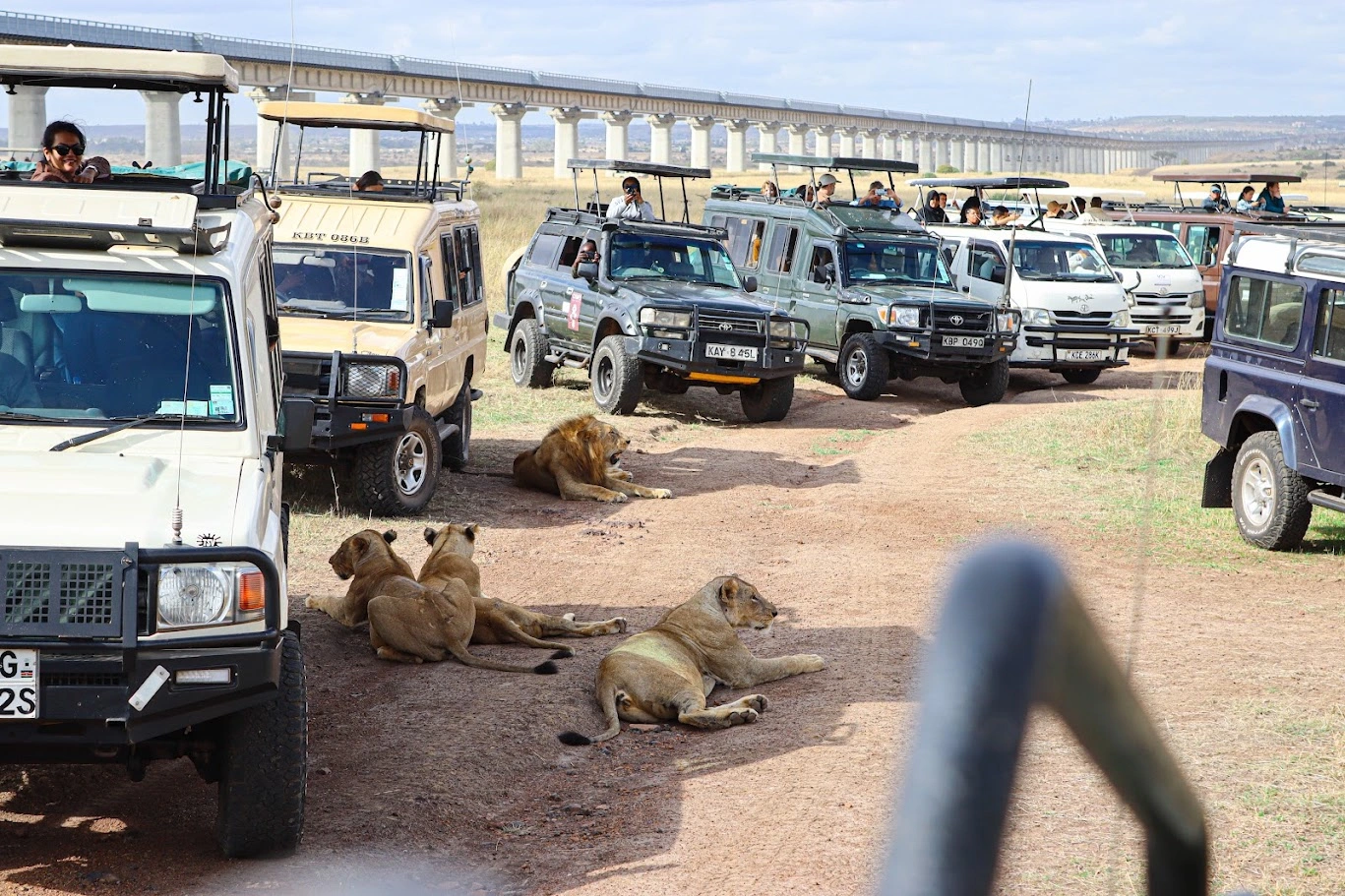
A private Nairobi day excursion combining an early Nairobi National Park game drive with the scheduled Sheldrick Wildlife Trust Nairobi Nursery visit.
 Private
A ten day private safari and beach honeymoon through Tsavo West, Amboseli and Tsavo East followed by three romantic nights beside the Indian Ocean at Diani.