Destination guide
About Samburu National Reserve
Samburu National Reserve safari guide
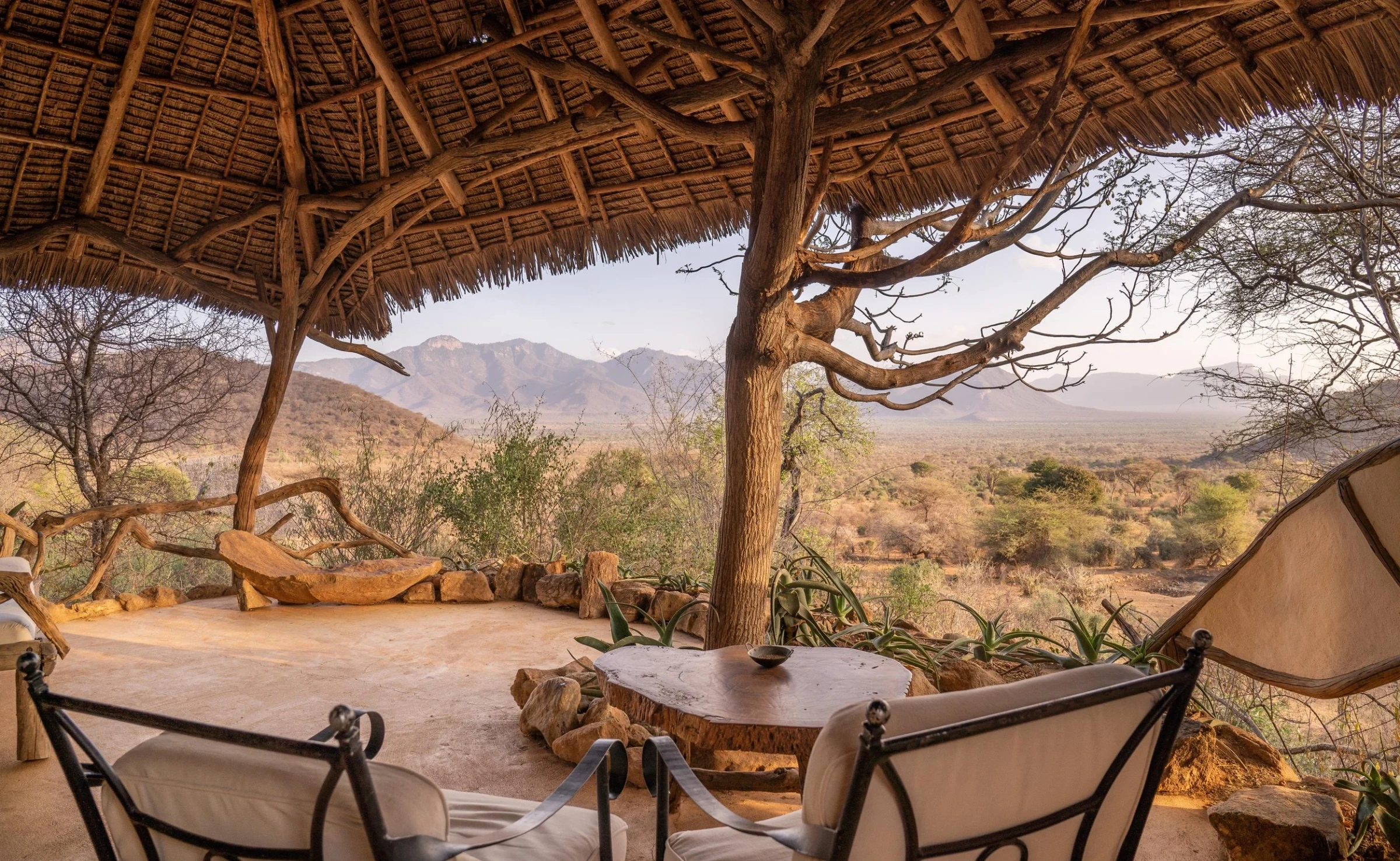
A Samburu National Reserve safari is a good choice for travellers who want to understand a different part of Kenya’s protected area network. Samburu National Reserve is located in northern Kenya, around 350 kilometres from Nairobi in the wider Samburu Isiolo ecosystem. Its character comes from semi arid plains, rocky outcrops, acacia scrub and riverine woodland along the Ewaso Nyiro River. Instead of treating the reserve as only another stop on a checklist, it is worth allowing enough time to understand how its water, vegetation, wildlife and neighbouring communities fit together.
Samburu National Reserve quick facts
| Planning detail | What to know |
|---|---|
| Location | northern Kenya, around 350 kilometres from Nairobi in the wider Samburu Isiolo ecosystem |
| Best time | June to October and December to March |
| Signature wildlife | Grevy’s zebra, reticulated giraffe, Somali ostrich, Beisa oryx, gerenuk, elephants, lions, leopards and abundant birdlife |
| Landscape | semi arid plains, rocky outcrops, acacia scrub and riverine woodland along the Ewaso Nyiro River |
| Best for | northern Kenya specialist wildlife, elephants, birding, photography and cultural context |
Wildlife and habitats
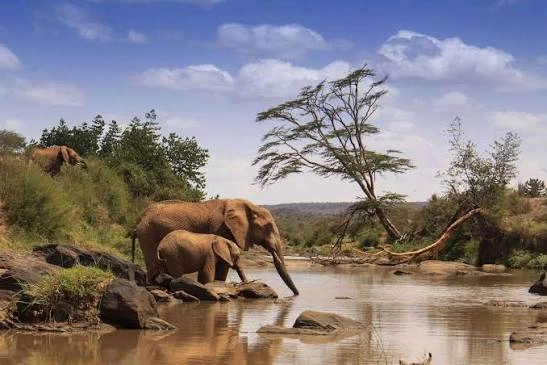
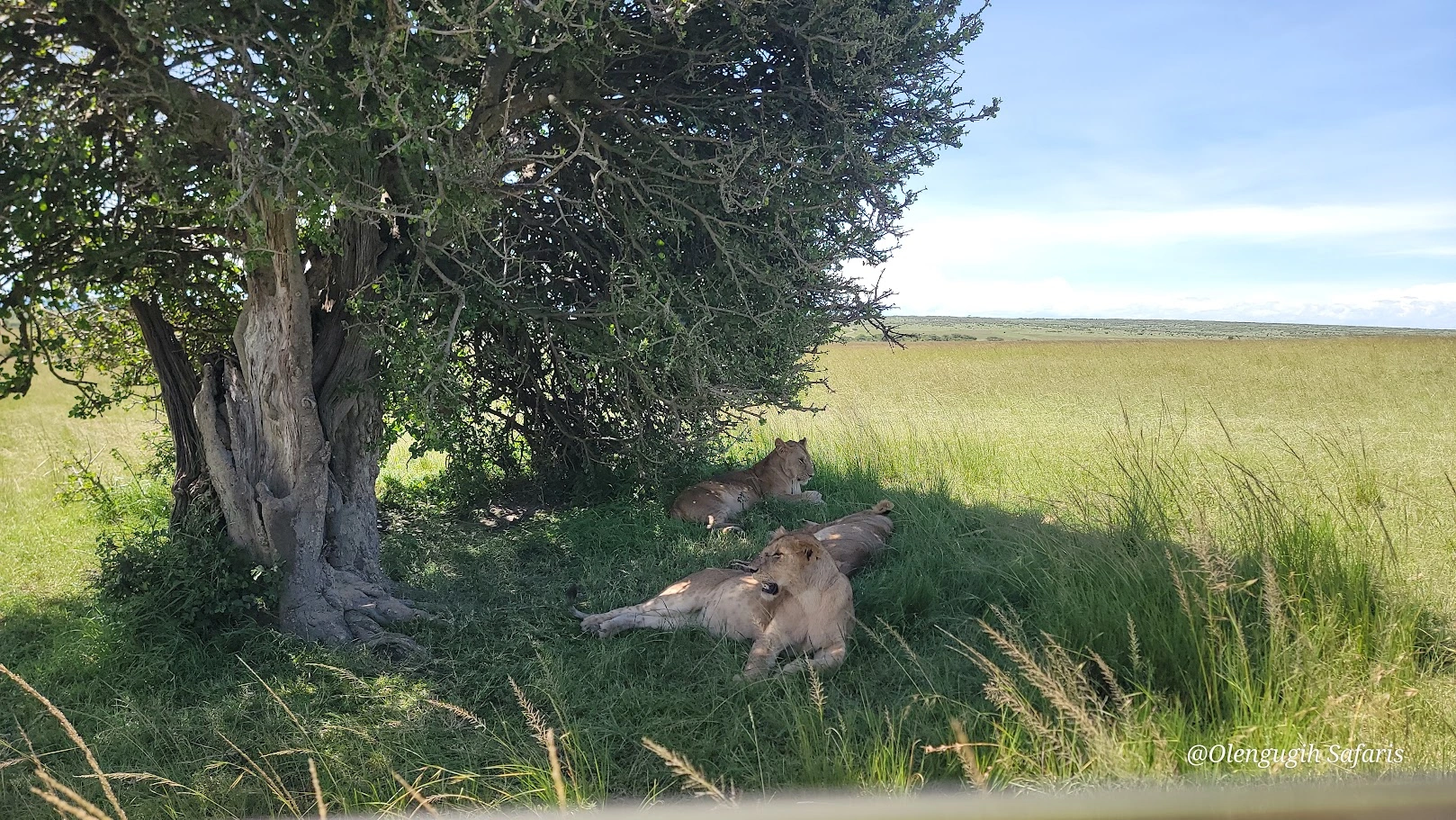
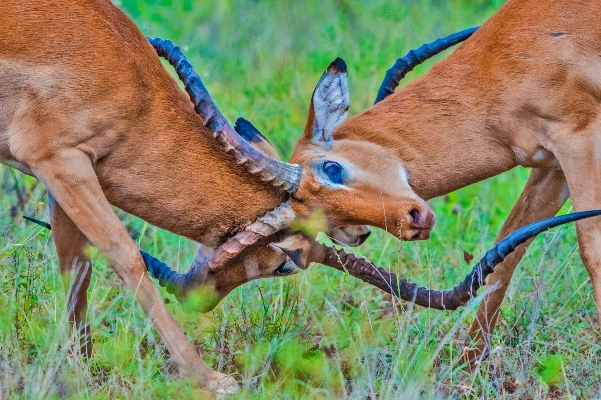
The main wildlife interest includes Grevy’s zebra, reticulated giraffe, Somali ostrich, Beisa oryx, gerenuk, elephants, lions, leopards and abundant birdlife. Sightings always depend on season, water, vegetation and animal movement, so no individual species should be treated as guaranteed. What makes this reserve rewarding is the relationship between wildlife and semi arid plains, rocky outcrops, acacia scrub and riverine woodland along the Ewaso Nyiro River. Early mornings usually provide cooler conditions and good animal activity, while late afternoon brings softer light for photography.
Samburu’s appeal is not based on the Great Migration. Its strength is the mix of northern species, elephants, predators and striking dry country scenery.
Things to do in Samburu National Reserve
Popular experiences include game drives, birdwatching, photography and responsible cultural experiences arranged with local communities. A knowledgeable guide adds value by reading tracks, behaviour, bird calls and changing conditions rather than simply driving from one known sighting point to another. Travellers interested in photography should carry binoculars as well as a camera because many of the most interesting observations happen at distance or in habitat where patience is important.
For a broader route, combine this reserve with Buffalo Springs National Reserve and Shaba National Reserve. You can also browse our Kenya safari packages for itineraries that can be adjusted around wildlife interests, trip length and preferred comfort level. Our Kenya destination guides are useful when comparing parks, reserves and conservancies before choosing a route.
Best time to visit Samburu National Reserve
June to October and December to March is the main planning window we recommend for many travellers, although the reserve can have value outside those months. Drier periods normally improve road conditions and make wildlife easier to locate around dependable water. Wetter months can bring greener scenery, fewer visitors, dramatic skies and strong birding. The best month therefore depends on whether your priority is wildlife visibility, photography, birding, migration, scenery or lower visitor numbers.
Getting there and safari logistics
Travellers can drive north from Nairobi through central Kenya or use scheduled flights to airstrips serving the Samburu ecosystem.
Before travelling, confirm current road conditions, gate procedures, park or county fees, activity rules and accommodation availability. Remote reserves need more preparation than mainstream safari circuits. Carry drinking water, sun protection, binoculars, a basic first aid kit and suitable clothing for both hot afternoons and cooler early mornings. Where camping or travelling far from towns, additional fuel, food and communication planning may be necessary.
Conservation and responsible travel
The Ewaso Nyiro River is the ecological lifeline of this dry landscape. Wildlife moves across Samburu, Buffalo Springs, Shaba and neighbouring community lands, so connected habitat is essential.
Visitors can help by following designated roads and trails, keeping a respectful distance from animals, avoiding loud behaviour, carrying waste out and supporting guides and accommodation providers that follow responsible wildlife practices. Never pressure a guide to crowd an animal or drive into sensitive habitat for a photograph. The most rewarding safari is one that leaves the landscape in the same or better condition for the next visitor.
Who should choose this reserve?
Samburu National Reserve is especially suited to travellers interested in northern Kenya specialist wildlife, elephants, birding, photography and cultural context. It can be used as the main focus of a trip or as part of a wider route, depending on access and the time available. Travellers who value a slower pace often gain more by spending enough time to see how the reserve changes between morning and evening rather than trying to rush through several destinations in one day.
For official protected area information and current conservation guidance, consult the relevant Kenya wildlife authority information before travel. Regulations, fees and access can change, so the current official guidance should always take priority over older published travel information.
What stands out
Highlights
- The Samburu Special Five of northern Kenya
- Elephants along the Ewaso Nyiro River
- Strong lion and leopard viewing potential
- More than 450 bird species reported across the ecosystem
- Distinctive semi arid scenery and rocky outcrops
- Natural pairing with Buffalo Springs and Shaba